
How "No Results" can create a revenue stream
Every search returning no results is a customer telling you what to stock. For one client, tracking zero-result searches created entirely new product categories. The best part? You don't need sophisticated analytics. Just a spreadsheet and a monthly review habit.
 Tim Gaunt
Continuing on the "personalisation can be simple" thread, today I'm looking at something even more immediately actionable: zero-result searches.
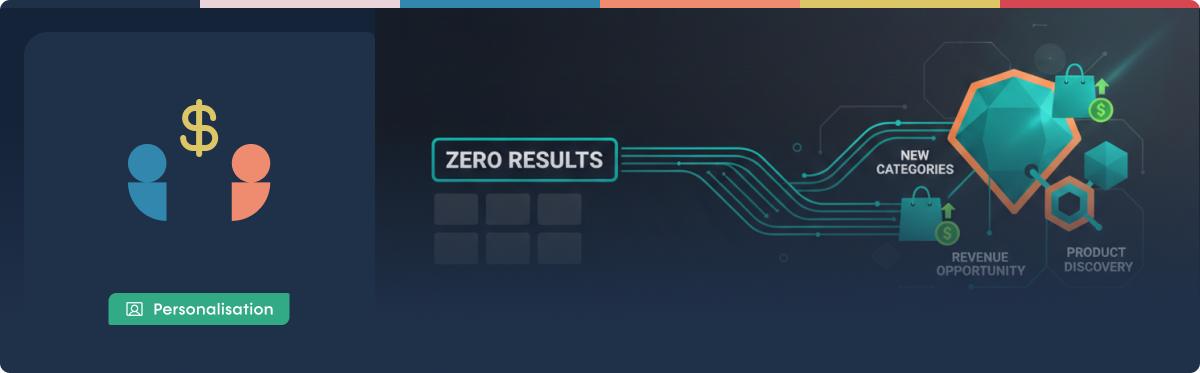
Every search that returns no results is a customer telling you about a product gap. For Joe Davies, tracking zero-result searches over the past decade has created entirely new product categories that now generate significant revenue.
The best part? This is the easiest search intelligence to implement. You don't need sophisticated analytics. You need a spreadsheet and a weekly review habit.
The Halloween Category That Wouldn't Have Existed
Around year two or three of tracking search data, we noticed something odd. Retailers were searching for "Halloween" products. Joe Davies didn't have a Halloween category. Every search returned nothing.
Zero-result searches are product gap intelligence. When retailers search for something you don't stock, they're telling you there's consumer demand you're not serving.
We did three things. Created a Halloween category. Emailed everyone who'd searched "Halloween" with zero results. Built Halloween into the seasonal email calendar.
Halloween is now a significant seasonal revenue driver. It exists because search data revealed a product gap nobody knew existed.
Most wholesalers see zero-result searches as a technical failure. We see them as market research from customers telling you what to stock.
Recent Zero-Result Wins
We track zero-result searches weekly now. Every term getting ten or more searches with no results gets reviewed. Is this a product gap? A category naming issue? A search relevance problem? Each answer is a revenue opportunity.
Recent examples from Joe Davies:
Multiple searches for "Jellycat" - Retailers searching for a specific brand name. Joe Davies didn't stock Jellycat plush toys. This revealed appetite for branded plush worth investigating.
Searches for "beach themed" products - Coastal retailers searching for nautical items. Products existed but weren't categorised together. Creating a coastal/nautical category made existing stock more discoverable.
Searches for "personalisation" - Retailers looking for customisable products. Some personalisation options existed but weren't flagged. Creating a filter identified demand for expanding the personalisation range.
Zero-result searches tell you three things. What products you should stock (Jellycat). How you should organise existing stock (beach themed). What features customers want (personalisation). Each insight is a revenue opportunity most wholesalers ignore completely.
Three Types of Zero-Result Searches
Not all zero-result searches reveal the same opportunity. I've identified three distinct patterns:
True product gaps are retailers searching for products you don't stock. Halloween was this type. Evaluate if the product fits your range, and you might find a new category or product line.
Categorisation issues are retailers searching for products you do stock but haven't categorised logically. Beach themed was this type. Create new categories or improve search tagging to make existing stock discoverable.
Terminology mismatches are retailers using different words than your category names. Searching "celebration" when your category is "party," for example. Add search synonyms or rename categories for a quick fix that improves search success.
Track which type each zero-result search represents. True product gaps need commercial evaluation. Categorisation issues need information architecture fixes. Terminology mismatches need search configuration updates. Each type has different implementation effort and different revenue potential.
How to Track Zero-Result Searches
You don't need expensive analytics platforms. Most B2B e-commerce systems log searches. You just need to capture one additional data point: did the search return results?
What we track for Joe Davies: search term, account ID, business type from account data, timestamp, and results returned (zero or more).
Every month, we export searches returning zero results. We count how many times each term was searched. Anything above ten occurrences gets reviewed.
The review asks four questions. Do we stock this? If yes, it's a categorisation issue. Should we stock this? If yes, it's a product gap opportunity. Is this a terminology mismatch? If yes, it's a search configuration fix. Is this a one-off or irrelevant search? If yes, ignore it.
This monthly review takes 20 minutes. It's created multiple revenue opportunities worth thousands each.
The Zero-Result Recovery Email That Works
When we identify a zero-result search representing a real product gap, we do something most wholesalers don't. We email everyone who searched.
Here's the template that works:
Subject: "We heard you - [Product Category] now available"
Body: "You searched for [search term] on our site. We didn't have what you needed. We've now added [new category/product range]. [Link to category] We track searches to make sure we're stocking what you need. Thanks for helping us improve our range."
This email consistently gets 40%+ open rates and 15%+ click rates. Why? Because you're solving a problem they had. They searched, found nothing, and you've now fixed it.
Most remarkably, these emails work months after the search. Retailers remember searching and finding nothing. When you email saying "we now stock this", they respond.
Building Your Zero-Result Intelligence System
Week 1: Implement tracking. Modify search logging to capture result count. Mark searches returning zero results. Associate with account ID and sector.
Week 2: Historical analysis. Export the past six months of zero-result searches. Count frequency of each term. Identify patterns like seasonal terms, brand names, or categories.
Week 3: Categorise and prioritise. Group zero-result searches by type (product gap, categorisation, terminology). Prioritise by frequency and commercial opportunity. Create an action plan for the top ten terms.
Week 4: First fixes and recovery emails. Implement quick wins like terminology fixes and category improvements. Plan commercial evaluation for product gaps. Email zero-result searchers about fixes.
Ongoing: Weekly review. Every Monday, export the previous week's zero-result searches. Review terms with three or more occurrences. Add to the action list if a new pattern emerges.
The technical lift is minimal. The commercial opportunity is substantial.
What's Next for Search Intelligence
We're currently building real-time search trending alerts for Joe Davies. When a product sees unusual search volume spikes across multiple sectors, the system alerts the team immediately.
Why? Because unusual search spikes often precede viral trends. When independent retailers across different sectors all suddenly search for the same thing, something is happening in the consumer market driving significant short-term demand.
Early identification means you can stock deep before competitors recognise the trend, feature prominently in marketing while demand is rising, capture revenue during the trend peak, and avoid being stuck with inventory when the trend fades.
The Highland Cow trend from the earlier article in this series showed this pattern. Search volumes exploded across multiple unrelated sectors simultaneously. That's not coincidence. That's market signal.
Real-time trending alerts will let Joe Davies respond to these signals within days, not weeks. Stock decisions informed by live market intelligence from thousands of independent retailers. Wholesale search data doesn't just reveal what's selling now. It predicts what will sell next.
The Complete Search Intelligence Stack
Across this three-part series focused on using search data in personalisation, I've shown three layers of search intelligence:
Cross-sector trend analysis tracks which products show sustained search growth across sectors. The Highland Cow phenomenon revealed mainstream consumer demand. Stock deep, market prominently, create product sets.
Seasonal timing intelligence tracks when different sectors search for seasonal products. Garden centres plan Christmas in August, gift shops in September. Segment campaigns by sector, align timing with planning cycles.
Zero-result product gap analysis tracks searches returning no results. The Halloween category came from this pattern. Fix categorisation, evaluate new products, email searchers.
Together, these three approaches turn search from a technical feature into market intelligence driving inventory, marketing, and product development decisions.
The Implementation Reality
What we track for Joe Davies: search term, account ID, business type, timestamp, results returned, clicks on results, and subsequent order behaviour.
How we analyse: weekly top searches by business type, weekly zero-result search review, monthly seasonal pattern analysis, quarterly cross-sector trend identification, and year-on-year comparison for seasonal timing.
How we use it: inventory planning (stock deep on cross-sector trends), marketing timing (sector-specific seasonal campaigns), product development (zero-result product gaps), category management (improve discoverability), and customer communication (recovery emails, trend alerts).
The technical lift was modest. A few days of development to enhance search logging. Weekly analysis takes less than an hour.
The commercial impact was substantial. 23% improvement in email open rates. 31% improvement in conversion rates. 18% increase in average order value. Multiple new product categories created. Inventory decisions informed by predictive market intelligence.
Your Search Data Is Sitting There Unused
Joe Davies' search data represents aggregated market intelligence from 11,000+ independent retailers across 20+ distinct sectors. It shows what consumers want before they buy. Predicts trends 6-8 weeks early. Reveals when different sectors plan inventory. Identifies product gaps worth thousands.
Most wholesalers have this data. They're logging searches. They know which accounts search what. They're just not connecting the dots.
You already have the data. You already segment customers by type. You already track searches. Connect search behaviour with customer segments and seasonal patterns, and you've got market intelligence most wholesalers would pay consultants tens of thousands for.
The competitive advantage window is open now. Wholesale retailers treating search as market intelligence are capturing disproportionate share. Those treating it as a technical feature are missing millions in revenue opportunities.
Ready to turn your wholesale search data into market intelligence? Get in touch to see how we can unlock the insights hiding in your search logs.